
The fabric determines how your suit feels, how it hangs, how long it lasts and in which season you wear it. It is also the choice that has the biggest influence on the price. At Victor Giglio you choose from a wide collection: together with yarns, buttons, stitching and other options, there are more than 3,000 possibilities. This page helps you understand the key terms, so that you can choose with confidence.
Most made-to-measure suits are made of wool, and for good reason. Wool is resilient, so creases largely disappear after a night on the hanger. It breathes, feels comfortable in summer and winter, and absorbs moisture without feeling clammy. Wool also shapes well, which gives a made-to-measure suit its line.
Suiting wool usually comes from the merino sheep, which has a fine, soft fibre. The finer the fibre, the softer and more supple the fabric, but also the more delicate.
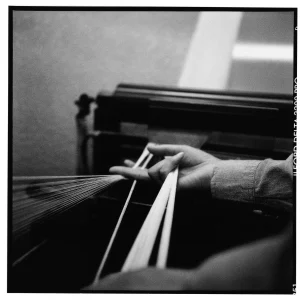
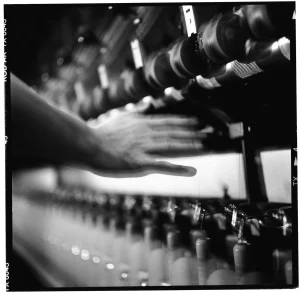
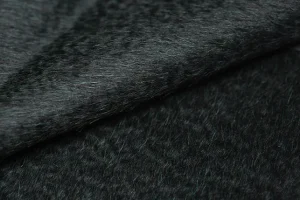
On fabric swatches you will often see a label such as “Super 120s”. That number tells you how fine the wool fibre is: the higher the number, the thinner the fibre. A higher number means a softer, lighter fabric with more sheen.
Higher is not automatically better. A suit in Super 150s feels luxurious, but is more prone to wear and creasing. For a suit you wear often, a fabric around Super 100s to 120s is often the wisest choice: comfortable and durable. The higher numbers are lovely for a suit for special occasions.
Besides fineness, the weight of the fabric matters too, expressed in grams per metre.
If in doubt, choose a mid-weight fabric: you can wear it for most of the year.
In the world of men’s suiting, a number of Italian mills and fabric houses have a great reputation. On the following pages you can read more about six of them:
At Victor Giglio you can choose from fabrics from all of these names. Our fabrics come mainly from Biella and Naples.
Start with how you will use the suit. How often will you wear it, and where? An everyday suit calls for a hard-wearing, mid-weight wool; a wedding suit or evening suit can be more luxurious and finer. Then come colour and pattern. During your appointment we let you see and feel the swatches, so you experience the difference yourself. How the fabric affects the price is explained on what a made-to-measure suit costs.
A mid-weight wool, for example around Super 110s or 120s, in navy or grey. Versatile and durable.
Generally, yes: the finer the fibre, the more delicate the fabric.
Yes. During your appointment at our studio you see and feel the swatches.
Discover the fabrics at our studio on the Stratumsedijk in Eindhoven.
Call +31 40 235 0102 or WhatsApp us.